
7 Top-Performing B2B Targeting Strategies That Drive Revenue (Not Just Leads)


Article Content
B2B advertising has changed.
The days of selecting a single audience segment in a DSP and hoping for results are over—especially if your goal is pipeline, revenue, and high-value conversions, not cheap clicks.
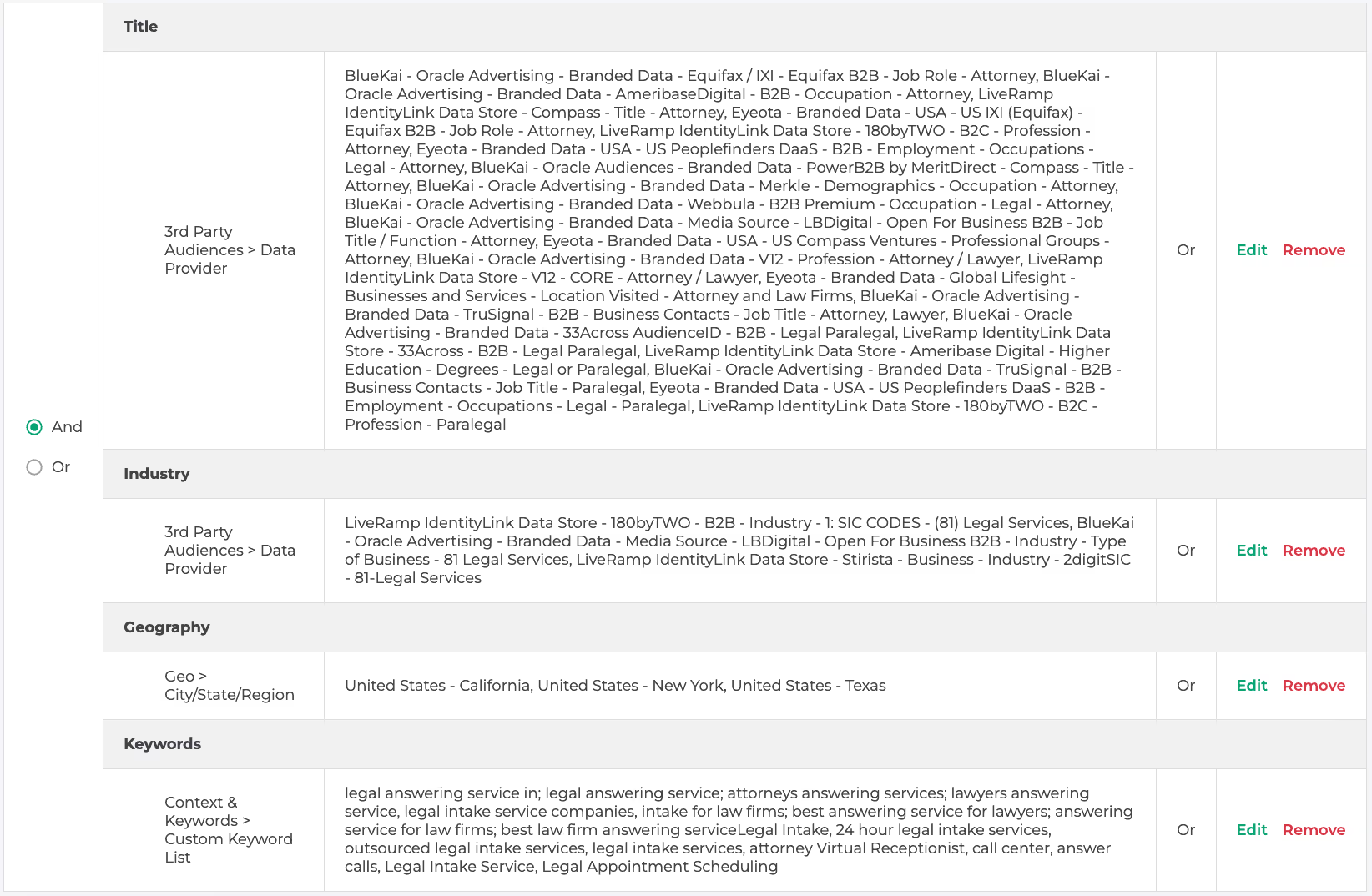
In our highest-performing B2B campaigns, the most profitable audience didn’t exist as a single targeting option. It wasn’t available from one data provider, one DSP segment, or one predefined audience.
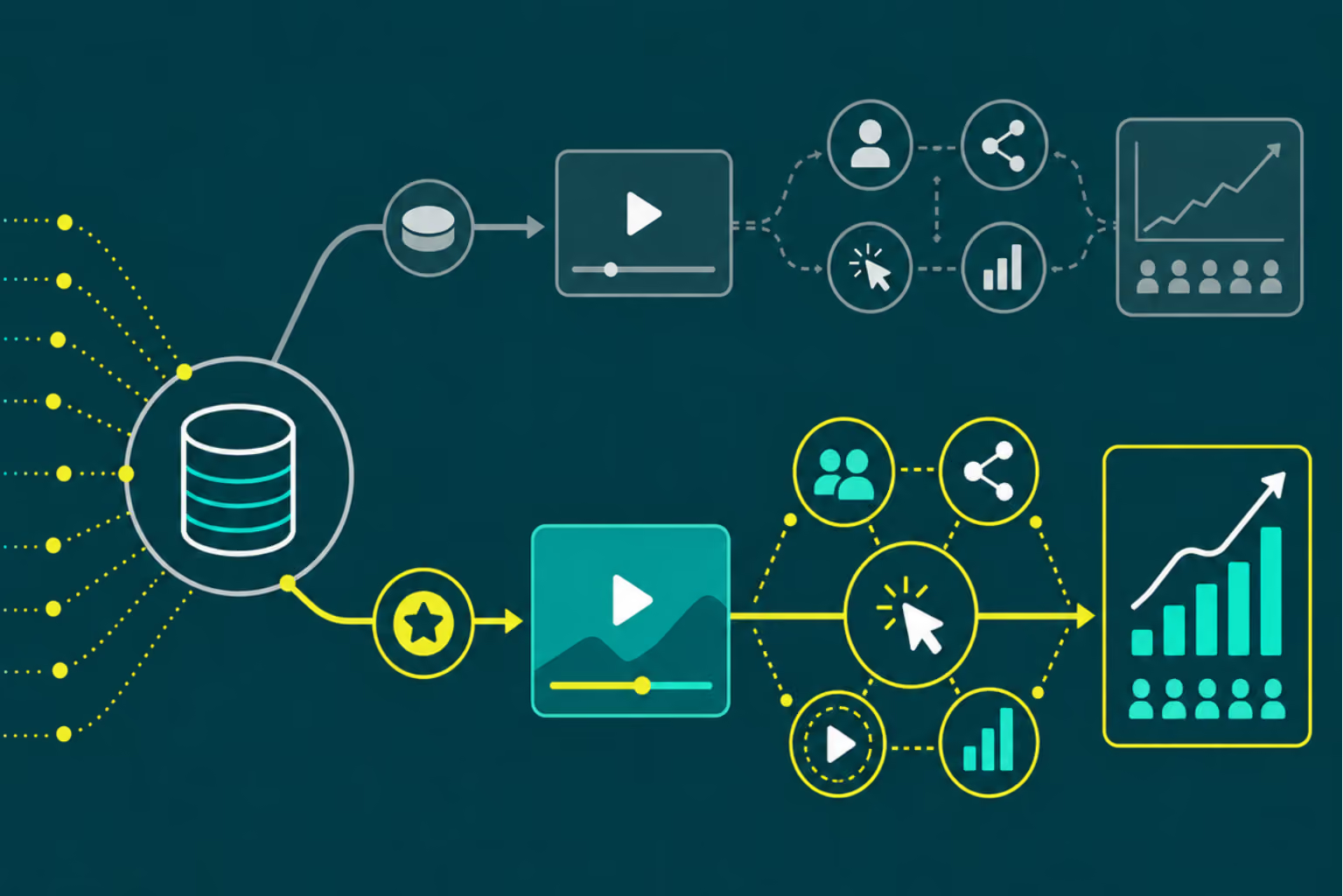
Instead, performance came from intentionally designing audiences by combining multiple B2B targeting strategies—each contributing a different signal of intent, relevance, and readiness to buy.
Below are the top performing B2B targeting strategies we see driving consistent ROAS in modern B2B advertising campaigns—and how they work best together.
1. Account-Based Targeting (ABM) for High-Value B2B Accounts
Account-based targeting remains one of the strongest foundations for B2B advertising success.
Rather than targeting broad job titles or industries, ABM focuses spend on specific companies that match your ICP, including:
- Target industries and size of the company for your go-to-market
- Strategic mid-market or enterprise companies
- Specific decision makers by title or job function
ABM ensures that budget is aligned with revenue potential, not anonymous traffic. This is also where ABM aligns marketing and sales around the same revenue targets, reducing wasted impressions and improving conversion quality.
2. Prebuilt B2B Audiences (Layered, Not Used Alone)
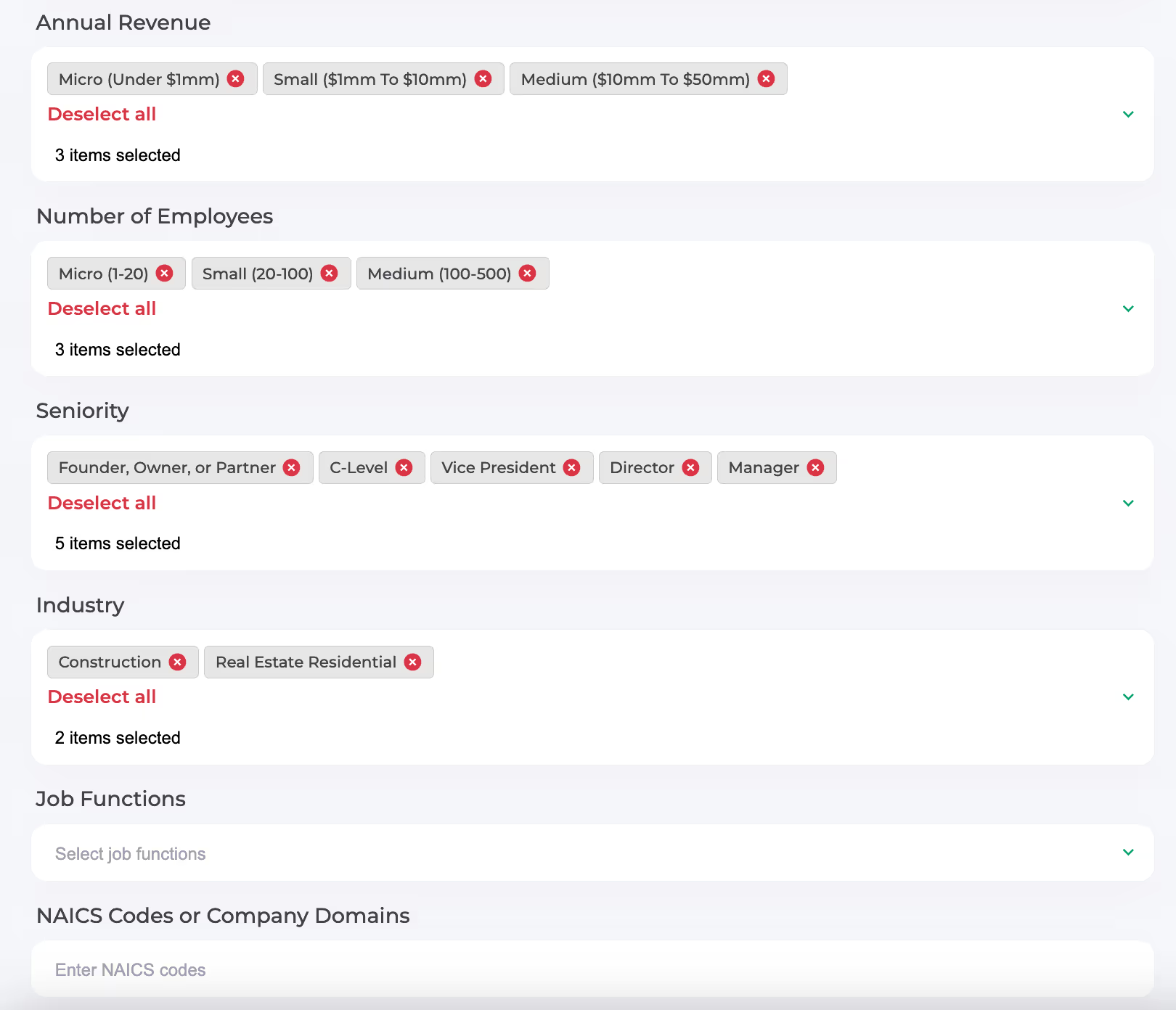
Most DSPs offer prebuilt B2B audiences based on:
- Industry
- Company size
- Seniority
- Function or department
While these segments are useful, selecting one in isolation is rarely enough for high-value B2B outcomes.
Top-performing campaigns layer multiple prebuilt audiences together, refining reach while increasing relevance.
The best practice is to use prebuilt audiences as ingredients, not the final audience. Layer them with intent, account, and behavioral data for sharper precision.
3. Intent Audiences Actively Researching Specific Software or Services
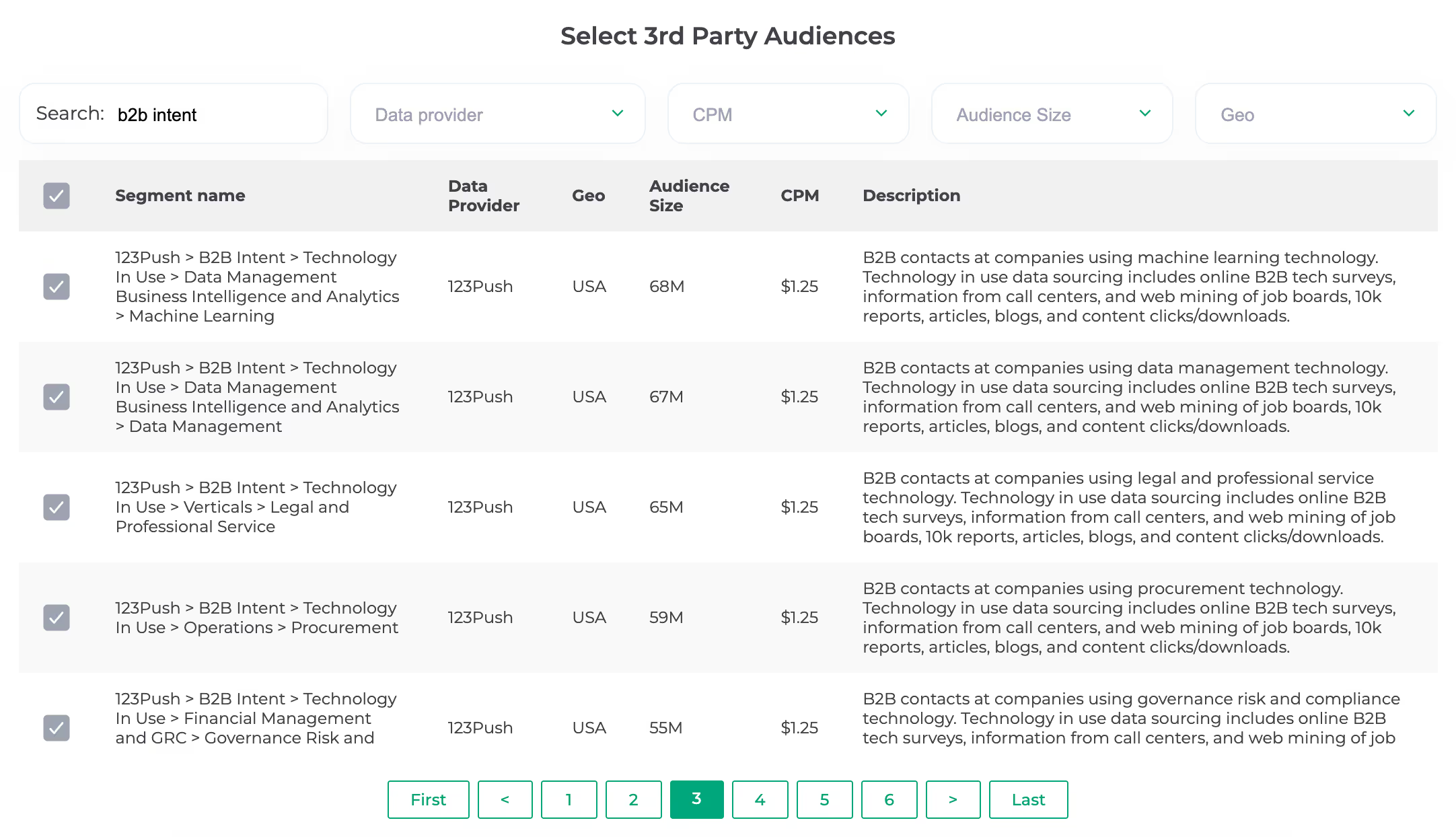
Intent data is one of the clearest indicators of B2B buying readiness—especially when it’s tied to specific software categories or services.
High-performing intent audiences include buyers who are:
- Researching competitor tools
- Comparing vendors in your category
- Consuming content related to a known pain point
These audiences are not just a fit demographically—they’re actively in-market.
Why it performs: Intent audiences shorten sales cycles by reaching buyers before they fill out a demo form—but after interest is already established.
4. Technology-Based Targeting (Software & Stack Signals)
Technology targeting allows advertisers to reach companies based on the tools and platforms they already use, such as:
- CRM systems
- Marketing automation platforms
- Cloud infrastructure
- Analytics or data tools
This strategy is especially effective for:
- Competitive displacement campaigns
- Integration-led products
- Upsell and cross-sell motions
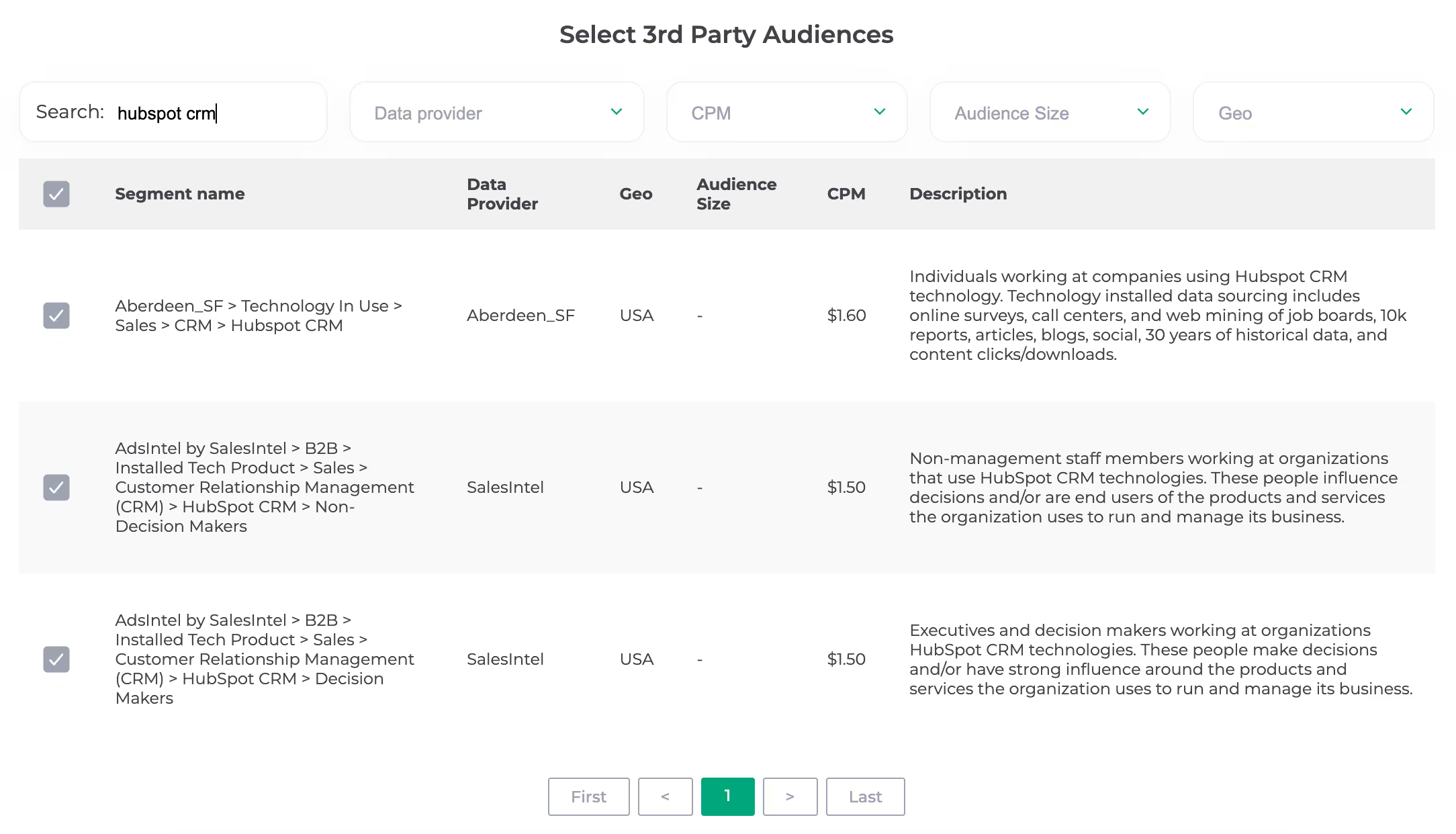
Example: If your product integrates with Salesforce, HubSpot, or Snowflake, technology-based targeting ensures relevance before the first click.
5. Recent Job Change Signals (Timing Meets Intent)
A recent job change is one of the most underrated B2B buying signals.
New hires—especially in leadership, operations, IT, or marketing—are more likely to:
- Evaluate new vendors
- Challenge existing tools
- Introduce solutions they’ve used before
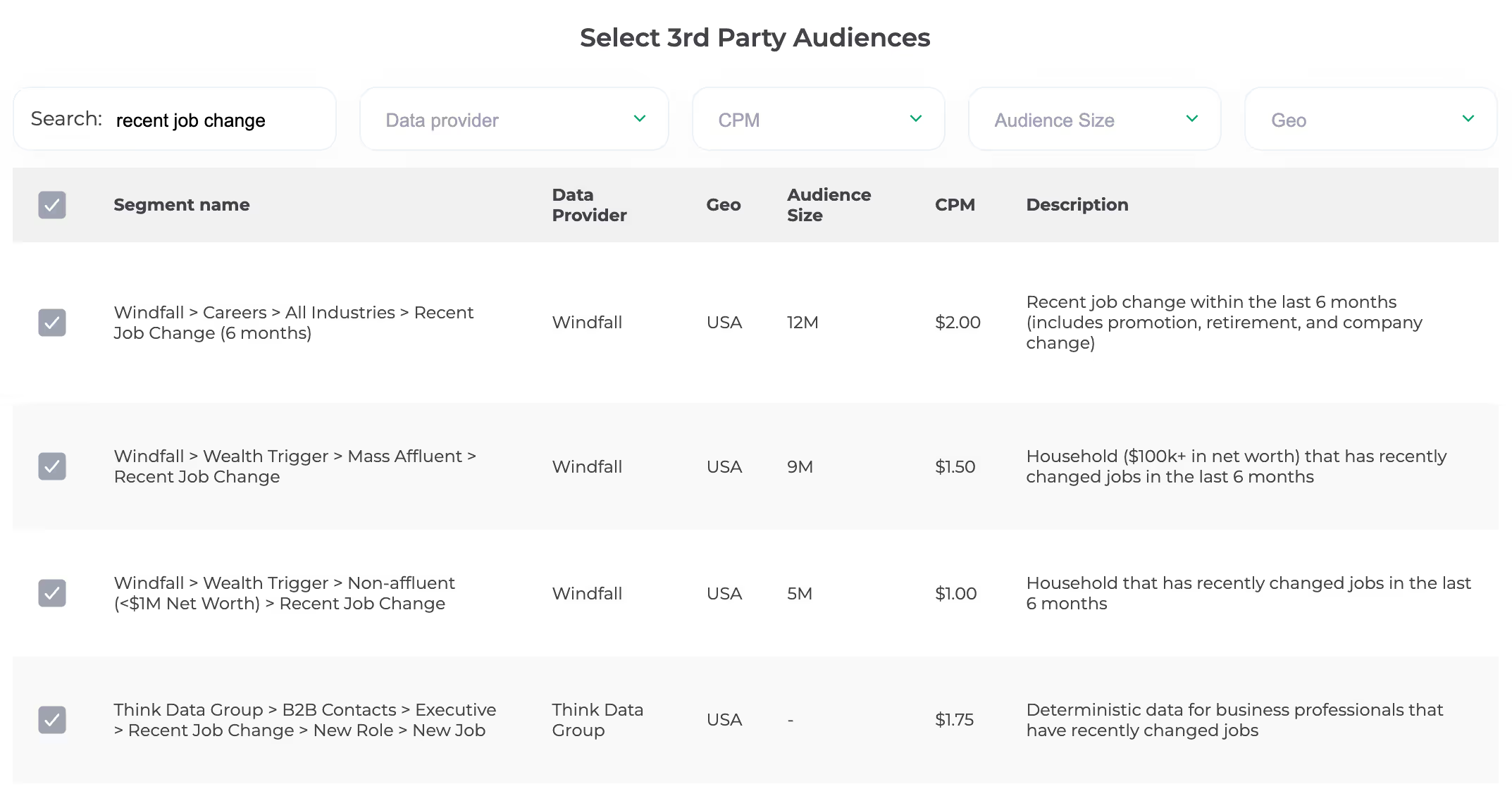
Targeting audiences based on recent job change signals adds a powerful timing layer to B2B campaigns.
Buying decisions are often triggered by change. Job movement creates natural opportunities for vendor reconsideration.
6. Strategic Event Geofencing With Tight Radius Controls
Geofencing remains highly effective when applied with precision—particularly around:
- Industry conferences
- Trade shows
- Private executive events
- Competitor-hosted events
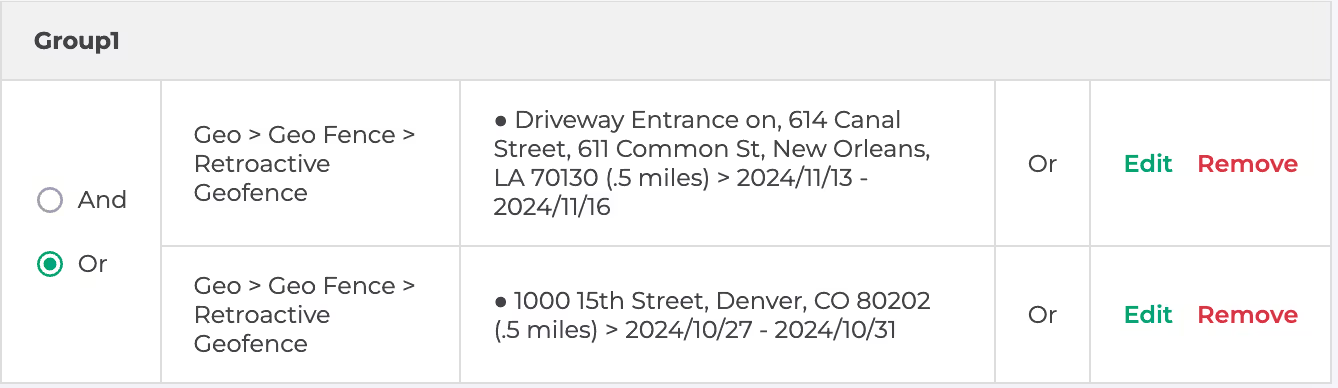
The key is strict radius control and limited duration, ensuring relevance without unnecessary scale.
When combined with ABM and intent data, geofencing helps advertisers reach buyers during peak consideration moments.
Read more: Nailing Programmatic Advertising for Events: Before, During & After
7. Remarketing & CRM Audiences (Aligned With Outbound Messaging)
Remarketing is essential in B2B—but the highest performance comes when it’s aligned with outbound sales efforts.
Top-performing strategies include:
- CRM-based remarketing to known leads and opportunities
- Showing ads to the same outbound account lists used by sales
- Matching ad messaging to outbound emails and sequences
This reinforces brand recognition and dramatically improves email open rates, reply rates, and conversion lift.
Consistency across paid media and outbound sales creates familiarity—and familiarity drives response.
Read more: Setting Up Competitor Customer Targeting Campaigns: A B2B Growth Hack
The Real Takeaway: High-Performing B2B Audiences Are Designed, Not Selected
The most profitable B2B campaigns don’t rely on a single DSP segment or data provider. They combine:
- Account relevance
- Intent signals
- Behavioral data
- Contextual timing
- Sales alignment
In one recent campaign, this approach delivered 5× ROAS on B2B purchase conversions—not because the audience was bigger, but because it was clearer. No single label could describe it. But the intent was obvious.
Stop Selecting B2B Audiences—Start Designing Them.
DSP segments are tools—not answers. In modern B2B advertising, competitive advantage comes from composed audiences, where intent, context, and account relevance intersect. If your campaigns are still built around selecting one audience and scaling spend, you’re leaving revenue on the table.
The real question is: Are you still choosing B2B audiences—or intentionally designing them for revenue?
To learn more about how you can reach your niche B2B audience, schedule a personalised demo with the Growth Channel team.